The Ultimate 2026 Used Car Inspection Checklist: Find Hidden Problems Before You Buy
Don't get stuck with a lemon. Our ultimate used car inspection checklist 2026 provides a step-by-step guide to uncovering hidden issues before you buy.
AI-assisted research and drafting; factual sources are linked in the article.
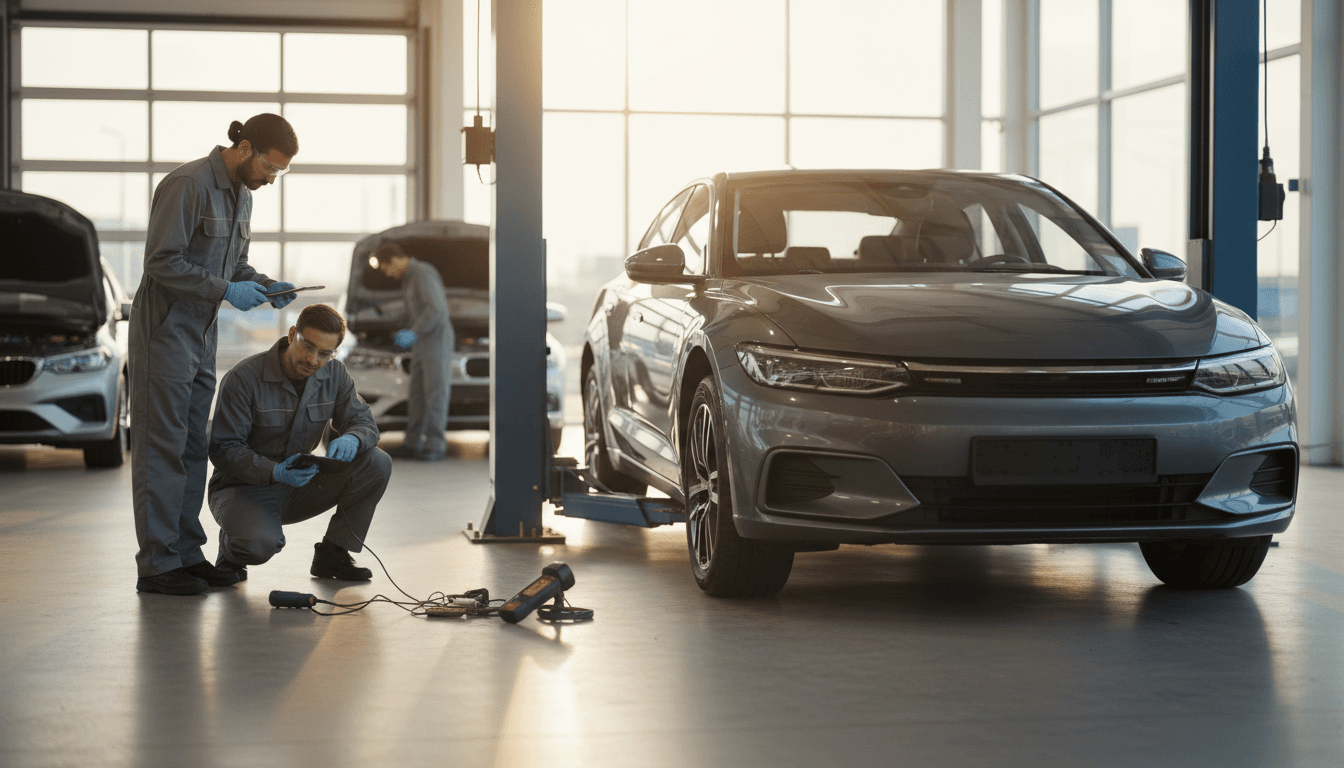
Buying a used car is an exciting milestone, but let's be honest—it can also be incredibly nerve-wracking. A gleaming paint job and a new-car scent can easily mask a history of neglect, accidents, or impending mechanical failures. In today's market, with cars being more technologically complex than ever, a superficial once-over just won't cut it. You need a battle plan.
That's where we come in. Consider this guide your secret weapon, the ultimate used car inspection checklist 2026. We'll walk you through every step, from the research you do at home to the critical details of the test drive, so you can buy with confidence.
Part 1: Pre-Inspection Homework (Before You Leave Home)
A thorough inspection starts before you even see the car. Doing your homework can save you a wasted trip.
Run the VIN
A Vehicle History Report (VHR) from a service like CarFax or AutoCheck is non-negotiable. It's your first line of defense. A clean report isn't a guarantee, but a bad one is a definite deal-breaker. Look for:
- Title Status: Immediately reject any car with a salvage, rebuilt, or branded title.
- Accident History: Not all accidents are reported, but those that are will be listed. Pay close attention to the severity.
- Service Records: A long history of regular maintenance at reputable shops is a huge green flag.
- Odometer Readings: Check for consistency. A sudden drop could indicate odometer rollback fraud.
Research Common Problems
Every car model has its own set of common issues or quirks. A 10-minute search on Google or Reddit (e.g., "2021 Ford Explorer common problems") can reveal potential headaches. Check model-specific forums to see what real owners are dealing with. Knowing that a certain engine is prone to oil leaks or a specific transmission has issues at 80,000 miles gives you targeted areas to inspect.
Check for Open Recalls
Go to the National Highway Traffic Safety Administration (NHTSA) website and enter the car's VIN. You can see if there are any open safety recalls that haven't been addressed. While not necessarily a deal-breaker, it shows the previous owner's level of diligence.
Part 2: The Exterior Walk-Around
Once you're with the car, it's time to play detective. Do this in broad daylight, as dim lighting can hide a multitude of sins.
Body, Paint, and Panels
- Look for Inconsistent Paint: Crouch down and look along the side of the car. The reflection should be smooth and uniform. Wavy reflections, a dull finish in one spot, or a slightly different shade of color from one panel to the next are dead giveaways of bodywork.
- Check Panel Gaps: The spaces between the doors, hood, trunk, and fenders should be tight and even. Wide or uneven gaps suggest panels have been removed or replaced, likely due to an accident.
- Overspray is a Red Flag: Check the black plastic trim, window seals, and wheel wells for paint overspray. The factory is precise; a body shop often isn't.
- The Magnet Test: Bring a small, weak magnet (like a fridge magnet). It should stick firmly to all steel body panels. If it doesn't stick or feels weak, it means there's a thick layer of plastic body filler (Bondo) underneath, hiding damage.
Tires and Wheels
- Tread Depth: Use the classic penny test. Stick a penny into the tread with Lincoln's head upside down. If you can see the top of his head, the tires are worn and need replacing soon—a potential bargaining chip.
- Uneven Wear: How the tires are wearing tells a story. Wear on the outer edges points to under-inflation or alignment issues. Wear in the center suggests over-inflation. Scalloped or cupped wear can indicate serious suspension problems.
- Brand Mismatch: Four matching, quality tires show an owner who cared. Four different budget brands suggest they cut corners on maintenance.
Glass and Lights
Check every piece of glass for chips and cracks. A small chip in the windshield might be repairable, but a large crack means a costly replacement. Also, check for the small manufacturer's logo on each window. A missing or different logo means that piece of glass has been replaced.
Finally, test every single light: low beams, high beams, fog lights, turn signals, brake lights, and reverse lights. Cloudy or condensed headlights can reduce visibility and are a sign of a broken seal.
Part 3: Under the Hood
This is where many buyers get intimidated, but you don't need to be a mechanic to spot major warning signs.
Crucial Tip: Always insist on starting the car from cold. A warm engine can hide problems like startup rattles, smoke, or hard starting.
Fluid Checks
- Engine Oil: Pull the dipstick, wipe it, reinsert it, and pull it out again. The oil should be between the 'Full' and 'Add' marks and look like a light amber or dark brown fluid. If it's milky or frothy like a coffee drink, walk away immediately. This is a classic sign of a blown head gasket, a very expensive repair.
- Transmission Fluid: On most cars, this is checked with the engine warm and running. The fluid should be bright red or pink and smell neutral. If it's brown/black and has a burnt smell, the transmission has been running hot and may be damaged.
- Coolant: Look at the overflow reservoir. The coolant should be a bright color (usually green, orange, or pink). If it looks rusty, murky, or has an oily film on top, it could indicate internal engine problems.
Visual Inspection
Look for obvious leaks on the engine block or on the ground beneath it. Scan the belts for cracks or fraying. Squeeze the rubber hoses—they should be firm, not rock-hard or mushy. Check the battery terminals for fuzzy blue or white corrosion, which can indicate a charging issue.
Part 4: The Interior Inspection
This is where you'll be spending your time, so make sure it's in good shape and everything works.
- The Smell Test: Your nose is a powerful tool. A heavy smell of air freshener could be masking cigarette smoke or pet odors. A musty, mildewy smell points to a water leak, which can be a nightmare to fix.
- Test Every Single Button: Don't be shy. Test the infotainment system, pair your phone via Bluetooth, blast the A/C and then the heat, and operate every window, lock, and power seat. The more complex the car, the more there is to break.
- Check for Wear and Tear: Does the wear on the driver's seat, steering wheel, and pedals match the mileage on the odometer? A worn-out interior on a car with only 40,000 miles is suspicious.
- Warning Lights: When you turn the key to the 'On' position (without starting the engine), all the dashboard warning lights should illuminate for a second and then go out. If the 'Check Engine' or 'Airbag' light doesn't come on at all, the bulb may have been intentionally removed to hide a fault.
Part 5: The All-Important Test Drive
The test drive is where the car's true personality—and its problems—come to light.
How to Test Drive
Plan a route that includes a mix of slow city driving, bumpy roads, and a stretch of highway where you can get up to speed. Turn the radio off and listen carefully.
- Acceleration and Shifting: Does the engine accelerate smoothly without hesitation? The transmission should shift almost imperceptibly. Jerky, hard shifts or a slipping sensation are major red flags.
- Braking: The brake pedal should feel firm. If it feels spongy or goes to the floor, there's a problem. Listen for grinding or squealing. When you brake firmly, the car should stop straight without pulling to one side.
- Steering and Suspension: On a straight, level road, briefly loosen your grip on the wheel. The car should track straight. If it pulls to one side, it needs an alignment at best, or has suspension/frame damage at worst. Drive over a few bumps and listen for any clunks, rattles, or creaks from the suspension.
Part 6: The Final Verdict: Getting a Professional Opinion
You've done your due diligence and the car seems great. What's next? Following this guide is a great start, but the final step in the ultimate used car inspection checklist 2026 is getting a professional opinion.
The Pre-Purchase Inspection (PPI)
No matter how thorough you are, you can't see everything without a vehicle lift and specialized tools. For around $150-$250, you can hire a trusted, independent mechanic to perform a Pre-Purchase Inspection (PPI). They can spot things you can't, like hidden frame damage, exhaust leaks, or developing rust on the undercarriage. This is the single best investment you can make when buying a used car. If a seller refuses to allow a PPI, thank them for their time and find another car.
The AI-Powered First Look
In 2026, technology offers another powerful layer of protection before you even commit to a test drive. Sellers are great at taking flattering photos, but they can't always hide the truth from a trained eye—or a trained algorithm.
With an AI-powered tool like CarScanAI, you can analyze the photos from an online listing to screen for potential problems. The AI can detect subtle clues that are easy for humans to miss, such as:
- Inconsistent panel gaps that suggest past repairs.
- Subtle paint texture differences indicating a resprayed panel.
- Early signs of rust or corrosion in wheel wells or on the undercarriage.
Think of it as a digital pre-inspection. It helps you weed out questionable cars from the comfort of your couch, ensuring you only spend your valuable time on vehicles that are truly worth a closer look. It's not a replacement for a hands-on inspection or a professional PPI, but it's an incredibly smart first step in the modern car-buying process.
Conclusion
Buying a used car doesn't have to be a gamble. By arming yourself with knowledge, being methodical in your inspection, and leveraging both professional mechanics and modern technology, you can take control of the process. This checklist is your guide to looking past the shine and understanding the true condition of your potential next car.
Happy (and safe) car hunting!
Have a listing in mind?
Run a free first-pass check using the year, make, model, mileage, and asking price. No account required.
Check a Listing Free